

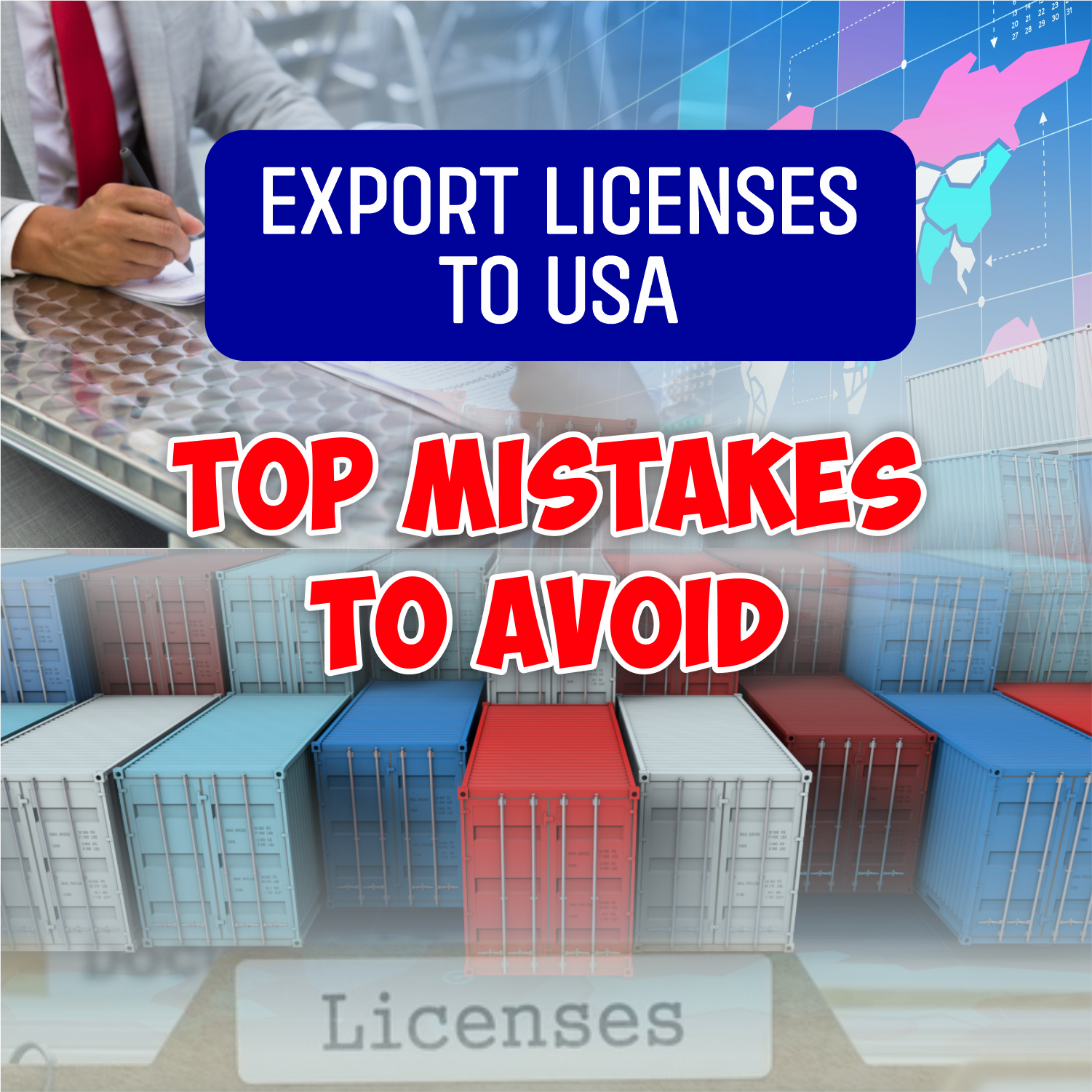

Have you ever heard the saying, “Experience is the best teacher“?
Let me share a story about my friend Chinedu, a passionate entrepreneur from Lagos, Nigeria. He had a great idea to export his homemade plantain chips to the U.S.
Excited, he started the process but quickly ran into problems left and right. First, he had a problem with his FDA documentation, then his export licensing, and if that wasn’t enough he had problem finding the right shipping company.
Chinedu could have avoided most, if not all of these roadblocks, if he had the right guidance to start with. To help you prevent similar errors, let’s discuss four common mistakes exporters make when applying for an Export License in Nigeria and securing FDA approval for your products.
Mistake 1: Skipping the Nigerian Export Promotion Council (NEPC) Registration
Imagine trying to drive a car without a valid driver’s license: risky and illegal, right? Similarly, attempting to export goods without registering with the NEPC is a fundamental misstep. The NEPC is the official body responsible for promoting and regulating non-oil exports in Nigeria. Failing to obtain an exporter’s certificate from them can lead to legal troubles and missed opportunities. So, before you even think about shipping your products abroad, make sure you’re registered with the NEPC.
What to do right
- Visit the NEPC e-registration portal and fill the online application.
- Make sure you have all required business documents, including CAC registration and Tax Identification Number (TIN).
- Once approved, you’ll get an Exporter’s Certificate, which is mandatory for legal exports.
Mistake 2: Inaccurate Product Classification
Think of product classification as the GPS for your export journey. Mis-classifying your items is like inputting the wrong destination, leading to confusion and delays. Proper export classification ensures that your goods meet international standards and follow regulations. Mis-classification can result in shipment delays, fines, or even legal action. To avoid this, take the time to classify your products accurately and consult with experts if needed.
What to do right
- Find the correct Harmonized System (HS) Code for your product using the Nigeria Customs Tariff Guide.
- Consult export professionals or use NEPC’s classification tool to verify your product category.
- Make sure your product labeling and description match international standards to avoid customs issues.
Mistake 3: Overlooking FDA Food Facility Registration
If you’re exporting food products to USA this step is non-negotiable. The FDA requires foreign facilities to register. These facilities manufacture, process, pack, or hold food for human or animal consumption in the U.S. Skipping this registration can lead to your products being denied entry (Learn how to register your food facility here)
Consider seeking FDA compliance help from professionals who specialize in FDA Food Facility Registration.
What to do right
- Apply for an FDA Food Facility Registration before exporting any food products to the U.S.
- Make sure your DUNS number is active, as it’s required for FDA approval.
- Work with FDA compliance consultants to avoid application errors that delay approval.
Need FDA registration assistance?
Mistake 4: Neglecting Food Facility Registration Renewal
Obtaining your FDA registration isn’t a one-and-done deal. The FDA mandates that food facility registrations be renewed every two years. Forgetting this is like neglecting to renew your vehicle’s registration; eventually, you’ll run into trouble. Failing to renew your FDA registration on time can lead to significant consequences. These range from operational disruptions to legal and financial penalties.
To stay compliant and keep your export operations running smoothly, mark your calendar for FDA Biennial Registration renewals.
What to do right
- Mark your renewal date every two years and set reminders to avoid missing the deadline.
- Use FDA compliance services to handle renewals and avoid penalties.
- Stay informed about any new FDA requirements that affect your registration.
Is Your FDA Registration Up to Date? NO?
The Role of African Import Export Solutions in Facilitating FDA Compliance
Dealing with export regulations can be confusing and stressful, but you don’t have to go it alone. African Import Export Solutions offers comprehensive services to help exporters like you obtain all the necessary licenses. They guarantee compliance with international standards. From FDA registration assistance to providing genuine U.S. agents, they simplify the process, making it easier for businesses to expand into the U.S. market. Partnering with them can save you time, reduce stress, and help you avoid common pitfalls in your export journey.

Just like Chinedu realized, starting your export journey can be like driving through Lagos traffic. It can be exciting and unpredictable. It is sometimes filled with a few unexpected detours. By avoiding the common mistakes we’ve discussed and getting some professional advice, you’ll be cruising along like a keke napep on a smooth road. Remember, preparation and compliance are your trusty conductors in the world of international trade.
Other Services
Other documentation services offered by African Import Export Solutions
- Company Registration: Needed to legally set up a business entity in Nigeria.
- USA Company Registration, Export Certificates: Necessary for businesses operating in the United States.
- FDA Food Facility Registration: Mandatory for facilities that manufacture, process, pack, or hold food for consumption in the U.S.
- FDA Cosmetic Facility Registration: Required for facilities that manufacture, process, or sell cosmetics in the U.S.
Note: By avoiding these common mistakes and adopting the right steps, you can successfully obtain your export license and gain FDA approval without unnecessary stress.
But why do it alone when expert help is available?
FAQs
What is the first step to exporting goods from Nigeria?
Register with the Nigerian Export Promotion Council (NEPC) to obtain an exporter’s certificate.
Why is accurate product classification important?
It ensures compliance with international regulations and prevents shipment delays or legal issues.
Do I need FDA registration to export food products to the U.S.?
Yes, all foreign facilities handling food for U.S. consumption must register with the FDA.
What is FDA Registration Renewal?
Under the Food Safety Modernization Act (FSMA), facilities involved in manufacturing, processing, packing, or storing food for U.S. consumption must register with the FDA. This registration is not permanent and must be renewed every two years during the designated biennial registration period.
How often must FDA Food Facility Registration be renewed?
Every two years, as part of the FDA Biennial Registration need.
What happens if I don’t renew my FDA registration on time?
Your FDA registration may be canceled, leading to potential shipment refusals.
How can African Import Export Solutions assist me?
African Import Export Solutions offers services like FDA registration assistance, connecting you with genuine U.S. agents, and ensuring compliance with export regulations.
Is NEPC registration mandatory for all exporters?
Yes, it’s a legal necessity for Nigerian exporters to register with the NEPC.
What are the consequences of mis-classifying export products?
It can lead to fines, shipment delays, and non-compliance penalties.
Can I handle FDA registration on my own?
While possible, it’s complex. Seeking FDA compliance help from experts is advisable.
What is the role of FDA compliance consultants?
They guide exporters through FDA regulations, ensuring all requirements are met.
Do I need a DUNS number for FDA registration?
Yes, a DUNS number is required for FDA Food Facility Registration.
How can I obtain a DUNS number?
African Import Export Solutions can help in acquiring a DUNS number as part of their services.
What is the NEPC e-registration portal?
An online platform for exporters to register and obtain necessary certifications.
Are there penalties for exporting without proper licenses?
Yes, including fines, legal action, and seizure of goods.
What happens to facilities with expired FDA registrations?
- Removed from the FDA’s Registration database
- Prohibited from manufacturing, processing, packing, or storing food for U.S. consumption until they re-register
- At risk of product detentions or refusals at U.S. ports of entry.
- What’s the Best Export Business for Beginners?
- How Do I Find Reliable Suppliers for Export Products?
- How Do I Gain a Competitive Advantage Over Other Nigerian Exporters?
- Is It Better to Export or Import in Nigeria? The Honest Answer Most Entrepreneurs Never Hear
- What Should I Know About Export Insurance?


Leave a Reply