


Buying wholesale from China can help you access a wider range of products, reduce your cost per unit, increase your profit margin, and grow your business faster.
China remains one of the most important manufacturing and wholesale markets in the world. From electronics and fashion accessories to machinery, solar products, home appliances, packaging materials, furniture, beauty products, auto parts, and industrial equipment, there are Chinese manufacturers and wholesalers serving almost every industry.
However, buying wholesale from China is not as simple as finding a cheap product online and sending money to a supplier.
You need to identify the right product, calculate demand, find a reliable supplier, verify the company, inspect the goods, negotiate the price, choose a secure payment method, understand import regulations, and arrange reliable shipping.
A mistake at any stage can lead to:
- Poor-quality goods
- Delayed production
- Incorrect product specifications
- Fake suppliers
- Lost payments
- Unexpected shipping charges
- Customs problems
- Unsold inventory
- Reduced profit
- Complete loss of your investmen
This guide explains how to buy wholesale from China step by step, whether you are importing for resale, supplying other businesses, launching a private-label brand, or sourcing products for your company.
What Does Buying Wholesale from China Mean?
Buying wholesale from China means purchasing goods in relatively large quantities directly from a manufacturer, trading company, distributor, or wholesale market at a lower unit price.
Instead of buying one or two items at retail price, you may buy:
- 50 pieces
- 100 pieces
- 500 pieces
- 1,000 pieces
- One carton
- Several cartons
- One pallet
- A full shipping container
The larger the quantity, the more likely you are to receive a lower price per unit.
For example, a product that sells for $10 per unit in a retail store may cost $3 to $6 per unit when purchased directly from a Chinese supplier in bulk. The exact price will depend on the product, material, quality, packaging, order quantity, supplier, and level of customization.
The goal is not simply to find the cheapest product.
The goal is to find a product that offers the right balance of:
- Profit potential
- Quality
- Price
- Demand
- Shipping cost
- Import requirements
- Resale value
Why Businesses Buy Wholesale from China
There are several reasons businesses source wholesale goods from China.
1. Lower Production and Wholesale Costs
Many Chinese factories produce goods at scale. Large production capacity can reduce manufacturing costs and make wholesale prices more competitive.
Lower product costs can help you:
- Increase your profit margin
- Offer competitive retail prices
- Supply other retailers
- Enter new markets
- Reinvest more money into your business
However, the lowest quotation is not always the best deal. Very low prices may indicate reduced quality, inferior materials, missing features, or misleading product specifications.
2. Access to a Wide Range of Products
China has manufacturers and wholesale markets for almost every product category.
You can source:
- Clothing
- Shoes
- Bags
- Electronics
- Phone accessories
- Computers
- Kitchen appliances
- Furniture
- Building materials
- Solar equipment
- Batteries
- Inverters
- Machinery
- Beauty products
- Packaging materials
- Toys
- Auto parts
- Vehicles
- Industrial equipment
- Office supplies
- Agricultural equipment
- Hotel supplies
You can also source multiple product variations, qualities, colours, designs, sizes, and price levels.
3. Product Customization
Many Chinese manufacturers offer private labelling and product customization.
Depending on your order quantity, a supplier may allow you to customize:
- Brand name
- Logo
- Product colour
- Size
- Material
- Packaging
- Labels
- User manuals
- Product features
- Accessories
- Carton design
This makes China attractive to entrepreneurs who want to build their own brands rather than resell generic products.
4. Flexible Order Quantities
Some Chinese suppliers require large minimum order quantities, while others accept smaller trial orders.
This allows new importers to test products before placing larger orders.
You may find suppliers willing to accept:
- 20 units
- 50 units
- 100 units
- One carton
- Mixed colours
- Mixed sizes
- Combined product models
The minimum order quantity depends on whether the supplier is a factory, trading company, wholesaler, or market seller.
5. Strong Manufacturing Infrastructure
China has developed manufacturing clusters where specific cities and regions specialise in certain industries.
This concentration of factories, component suppliers, packaging companies, labour, and logistics providers can make production more efficient. Understanding these manufacturing regions can help you find better suppliers and prices.
Is It Profitable to Buy Wholesale from China?
Buying wholesale from China can be profitable, but profitability depends on more than the supplier’s price.
Your real profit is determined by your total landed cost.
The landed cost is the total amount spent to bring the product from the supplier to your location.
It may include:
- Product cost
- Local delivery in China
- Sourcing fee
- Supplier verification fee
- Inspection fee
- Packaging cost
- Export documentation
- Shipping cost
- Insurance
- Customs duty
- Taxes
- Port or terminal charges
- Clearing charges
- Local delivery
- Bank or payment fees
- Currency conversion costs
If you only calculate the factory price and ignore these additional expenses, you may believe a product is profitable when it is not.
For example:
- Product cost: ₦3,000
- Shipping and clearing: ₦2,000
- Local delivery and handling: ₦500
- Total landed cost: ₦5,500
- Selling price: ₦6,000
- Gross margin: ₦500
Although the product appeared cheap from the supplier, the final profit may be too small after all expenses. Before ordering, calculate the full landed cost and compare it with the realistic selling price in your market.
Step 1: Decide What You Want to Buy
The first step is choosing the right product.
Avoid selecting a product only because it is trending on social media or because a supplier says it sells quickly.
Research your market.
Ask:
- Who will buy this product?
- What problem does it solve?
- How frequently do people purchase it?
- Is demand stable or seasonal?
- How many competitors sell it?
- What prices are customers willing to pay?
- Is the market already overcrowded?
- Does the product require government approval?
- Is it fragile, heavy, dangerous, or difficult to ship?
- What is the expected profit after shipping and clearing?
A product may be cheap in China but unprofitable in your market because of high shipping costs.For example, a low-priced but bulky item may occupy a large amount of cargo space. Its shipping cost may be higher than the product itself.
Characteristics of a Good Wholesale Product
A suitable wholesale product should ideally have:
- Clear market demand
- A reasonable profit margin
- Manageable competition
- Low return risk
- Stable quality
- A practical shipping weight or volume
- Limited regulatory complications
- Repeat purchase potential
- Easy product demonstration
- Opportunities for differentiation
You should also consider whether the product is suitable for air freight or ocean freight.
Small, lightweight, high-value products may be more suitable for air shipping.Heavy or bulky commercial goods may be more economical by sea.
Step 2: Research the Product Thoroughly
Before contacting suppliers, understand the product.
Learn about:
- Materials
- Sizes
- Models
- Technical specifications
- Quality grades
- Packaging
- Safety standards
- Common defects
- Industry terminology
- Required certifications
- Market prices
The more you understand the product, the harder it becomes for a supplier to mislead you.
For example, asking for “a good solar battery” is too vague.
You may need to specify:
- Battery chemistry
- Capacity
- Voltage
- Cycle life
- Depth of discharge
- Warranty
- Communication protocol
- Dimensions
- Weight
- Certification
- Brand compatibility
Similarly, when sourcing clothing, you may need to specify:
- Fabric composition
- Fabric weight
- Stitching
- Colour-fastness
- Size chart
- Packaging
- Label requirements
- Printing method
Clear specifications reduce misunderstandings and help suppliers provide accurate quotations.
Step 3: Determine Your Budget
Your budget should cover more than the products.
A proper wholesale import budget may include:
- Product cost
- Samples
- Supplier verification
- Inspection
- China local transportation
- Warehouse handling
- Consolidation
- Shipping
- Insurance
- Customs and clearing
- Local delivery
- Marketing
- Emergency expenses
Do not use your entire budget to purchase goods.
Keep a reasonable amount available for unexpected expenses.
Currency exchange rates may change. Suppliers may revise raw-material costs. Shipping charges may increase. Customs may request additional documentation.
A financial buffer can prevent your shipment from becoming stranded because you have no money left to complete the process.
Step 4: Choose Where to Find Chinese Wholesale Suppliers
There are several places to find wholesale suppliers in China.
Each option has advantages and disadvantages.
Alibaba

Alibaba is one of the best-known business-to-business marketplaces for international buyers.
You can find:
- Manufacturers
- Trading companies
- Wholesalers
- Private-label suppliers
- Machinery suppliers
- Packaging companies
Alibaba is convenient because suppliers communicate in English and are familiar with export processes.
However, products listed for foreign buyers may not always have the lowest local Chinese prices.
Some suppliers are manufacturers, while others are intermediaries.
You still need to verify the supplier before paying.
1688
1688 is a Chinese wholesale marketplace primarily created for the domestic Chinese market.
Prices may be lower than those available on international marketplaces because the platform targets local buyers.
However, using 1688 can be more difficult for foreign importers because:
- The platform is mainly in Chinese
- Many suppliers do not speak English
- Some sellers do not export directly
- Payment may require local Chinese options
- Products may be designed for the local market
- International shipping may not be available
- Supplier verification may be more difficult
A sourcing agent or team in China can help communicate with sellers, negotiate prices, pay suppliers, collect goods, inspect products, and arrange shipping.
Made-in-China

Made-in-China connects international buyers with Chinese suppliers across many industries.
It is commonly used for:
- Machinery
- Industrial goods
- Electrical equipment
- Construction materials
- Manufacturing equipment
- Commercial products
As with every online platform, verify the supplier independently.
Global Sources
Global Sources is another sourcing platform that connects buyers with manufacturers and exporters.
It is often used for:
- Electronics
- Mobile accessories
- Home products
- Fashion
- Lifestyle products
Yiwu Wholesale Market
Yiwu is known for a wide range of small commodities.
You may find:
- Jewellery
- Gifts
- Stationery
- Toys
- Fashion accessories
- Household products
- Decorations
- Small tools
- Packaging materials
Yiwu can be useful for buyers who want to purchase different products in smaller wholesale quantities.
Guangzhou Wholesale Markets
Guangzhou has wholesale markets for:
- Clothing
- Shoes
- Bags
- Cosmetics
- Jewellery
- Fabrics
- Electronics
- Auto parts
- Furniture
- Hotel supplies
Prices and product quality can vary significantly between markets.
Some markets are designed mainly for foreign buyers and may charge higher prices than local sourcing channels.
Having someone who understands the local market can help you avoid unnecessary markups.
Trade Fairs
Trade fairs allow buyers to meet multiple suppliers, inspect physical products, and discuss prices and customization.
Popular fairs may cover:
- Consumer goods
- Machinery
- Electronics
- Textiles
- Furniture
- Auto parts
- Industrial equipment
Trade fairs can be valuable, but attending one does not automatically guarantee that every supplier is reliable.
Verification is still important.
Sourcing Agents and Procurement Companies
A professional sourcing company can help you find manufacturers that may not be easily visible on international platforms.
A sourcing team may assist with:
- Product research
- Supplier identification
- Factory verification
- Price negotiation
- Sample collection
- Payment
- Inspection
- Consolidation
- Shipping
- Customs coordination
This option may be particularly useful when you cannot communicate in Chinese or visit China yourself.
Step 5: Understand the Difference Between a Factory and a Trading Company
When buying wholesale from China, you may deal with either a manufacturer or a trading company.
Manufacturer
A manufacturer produces the goods directly.
Possible advantages include:
- Better pricing for larger orders
- More customization options
- Direct technical communication
- Greater control over production
- Better long-term supply opportunities
Possible disadvantages include:
- Higher minimum order quantities
- Less flexibility for small mixed orders
- Limited product range
- Slower communication in some cases
Trading Company
A trading company purchases products from one or more factories and sells them to buyers.
Possible advantages include:
- Access to multiple products
- Lower minimum order quantities
- Better communication
- Easier export coordination
- Ability to combine several product categories
Possible disadvantages include:
- Higher prices
- Less control over production
- Limited transparency about the actual factory
- Greater risk of product inconsistency
A trading company is not automatically bad.
Some provide valuable quality control, communication, and consolidation services.
The important thing is to know who you are dealing with and understand how they add value.
Step 6: Create a Detailed Request for Quotation
Avoid sending a supplier a message like:
“How much is this?”
A vague request produces vague quotations.
Instead, send a detailed request for quotation.
Your request should include:
- Product name
- Model
- Dimensions
- Material
- Colour
- Quality level
- Quantity
- Packaging requirements
- Logo requirements
- Certification needs
- Delivery location in China
- Preferred shipping terms
- Required production timeline
A sample message may look like this:
Hello, we are interested in purchasing 500 units of your rechargeable fan. Please send a quotation based on the following specifications:
Battery capacity: 12,000 mAh
Fan size: 16 inches
Voltage: 220–240V
Plug type: UK three-pin plug
Colour: Black
Packaging: Individual branded carton
Logo: One-colour print
Quantity: 500 units
Please confirm:
- Unit price
- Minimum order quantity
- Sample price
- Production time
- Product weight and carton dimensions
- Available certifications
- Warranty
- Payment terms
- Delivery cost to our warehouse in China
This makes it easier to compare suppliers fairly.
Step 7: Compare Multiple Suppliers
Do not choose the first supplier you find.
Request quotations from at least three to five suppliers.
Compare:
- Unit price
- Product specifications
- Minimum order quantity
- Sample cost
- Production time
- Warranty
- Packaging
- Payment terms
- Experience
- Communication quality
- Certifications
- Delivery cost within China
Be cautious if one supplier’s price is significantly lower than every other quotation.
Ask why.
The lower price may be caused by:
- Different materials
- Lower product capacity
- Reduced thickness
- Used components
- Missing accessories
- Smaller dimensions
- Inferior packaging
- False specifications
A good comparison must be based on identical specifications.
Step 8: Verify the Chinese Supplier
Supplier verification is one of the most important parts of buying wholesale from China.
A professional website or impressive product catalogue does not prove that a supplier is genuine.
Before paying, verify:
- Registered company name
- Business licence
- Registration number
- Office or factory address
- Legal representative
- Years in operation
- Business scope
- Export history
- Bank account name
- Contact details
- Factory capacity
- Product specialisation
Warning Signs of a Potential Supplier Scam
Be cautious when a supplier:
- Refuses to provide company documents
- Requests payment to a personal account
- Changes bank details suddenly
- Pressures you to pay immediately
- Offers an unrealistic price
- Avoids video calls
- Uses inconsistent company names
- Has no verifiable address
- Cannot answer technical questions
- Refuses samples or inspection
- Requests cryptocurrency or unusual payment methods
- Provides copied product photographs
- Claims to manufacture unrelated products
For example, a genuine specialist factory may produce solar batteries and inverters. It would be unusual for the same factory to claim it also manufactures shoes, kitchenware, wigs, phones, furniture, and toys.
An extremely broad product catalogue can indicate that the supplier is a trader or an unreliable intermediary.
Step 9: Request a Sample
Never place a large wholesale order without evaluating a sample whenever samples are practical.
A sample helps you confirm:
- Product appearance
- Material quality
- Colour
- Size
- Functionality
- Packaging
- Branding
- Durability
- Accessories
- Product accuracy
The sample should be tested against your agreed specifications.
Do not approve it simply because it looks attractive.
For electronic or technical products, test performance over a reasonable period.
For clothing, inspect:
- Fabric
- Stitching
- Sizing
- Shrinkage
- Printing
- Colour
- Finishing
For packaging, check:
- Strength
- Print quality
- Dimensions
- Product protection
- Barcode
- Labelling
You may request samples from two or three suppliers before selecting one.
Although samples and courier charges cost money, they can protect you from a much larger loss.
Step 10: Negotiate the Price and Terms
Negotiation is not only about reducing the unit price.
You can negotiate:
- Minimum order quantity
- Packaging
- Logo cost
- Sample cost
- Mould fee
- Spare parts
- Warranty
- Payment terms
- Production timeline
- China local delivery
- Inspection terms
- Replacement policy
How to Negotiate Effectively
Know the average market price before negotiating.
Be clear about your expected order quantity.
Show long-term business potential without making false promises.
You can say:
We are testing this product with an initial order of 300 units. If the quality and market response are satisfactory, we expect to place larger repeat orders. Please provide your best price based on a long-term business relationship.
Avoid demanding an unrealistic discount.
A supplier who agrees too easily to an extremely low price may reduce product quality to maintain profit.
A better goal is fair pricing with consistent quality.
Step 11: Understand Minimum Order Quantity
Minimum order quantity, commonly called MOQ, is the smallest quantity a supplier is willing to sell or manufacture.
MOQ may be based on:
- Number of units
- Number of cartons
- Product value
- Colour
- Size
- Model
- Packaging design
For example, a supplier may offer an MOQ of 500 pieces but require at least 100 pieces per colour.
Customized products usually have higher MOQs because the supplier must create packaging, print labels, purchase materials, or adjust production equipment.
You may negotiate a lower MOQ by:
- Paying a slightly higher unit price
- Choosing existing colours
- Using neutral packaging
- Avoiding customization
- Combining available stock
- Ordering mixed models
- Purchasing a sample batch
Starting with a manageable quantity can reduce inventory risk.
Step 12: Agree on Clear Product Specifications
Do not rely on verbal agreements.
Create a written product specification document.
Include:
- Product photographs
- Drawings
- Measurements
- Material
- Weight
- Capacity
- Colour code
- Components
- Accessories
- Packaging
- Logo position
- Labelling
- Testing requirements
- Acceptable defect rate
- Required certifications
The supplier should approve the specifications in writing.
For complex products, consider using a purchase contract.
The contract should state:
- Product description
- Quantity
- Unit price
- Total value
- Payment terms
- Production timeline
- Quality standards
- Inspection rights
- Delivery terms
- Warranty
- Penalties or remedies
- Dispute resolution
Written agreements reduce the chance of suppliers claiming they misunderstood your request.
Step 13: Choose Safe Payment Terms
Payment is one of the highest-risk stages of importing.
Common payment methods include:
- Bank transfer
- Trade assurance
- Letter of credit
- PayPal for samples or small transactions
- Escrow
- Local RMB payment through a trusted sourcing company
Avoid Paying 100% Upfront
For customized or large orders, many suppliers request a deposit before production and the balance before shipment.
A common structure may be:
- 30% deposit
- 70% after production and inspection
The exact terms depend on the supplier, product, and relationship.
Paying the full amount before production gives you less control if problems arise.
Confirm the Bank Account
The beneficiary name should ideally match the supplier’s registered company name.
Be careful when a supplier asks you to pay:
- A personal account
- An unrelated company
- A newly introduced account
- An account in a different country
- A cryptocurrency wallet
If the bank details change, verify the change through multiple channels before paying.
Business email compromise is a real risk. Fraudsters may gain access to email conversations and send fake bank details.
Confirm payment instructions through a verified phone number or video call.
RMB Payment Assistance
Some suppliers on Chinese domestic platforms prefer payment in RMB through local payment systems.
A trusted procurement company in China may allow you to pay in your local currency while it pays the supplier in RMB.
Ensure the company offering payment assistance is verified and provides clear documentation.
Step 14: Monitor Production
Do not send a deposit and disappear until the supplier says the order is ready.
Monitor production.
Request updates such as:
- Raw-material confirmation
- Production start date
- Progress photographs
- Videos
- Packaging samples
- Estimated completion date
For large or customized orders, you may arrange an in-production inspection.
This helps identify problems before the full order is completed.
Common production problems include:
- Wrong colour
- Incorrect logo
- Different materials
- Missing accessories
- Poor packaging
- Reduced dimensions
- Incorrect voltage
- Wrong plugs
- Delayed completion
Finding a problem early is usually easier and cheaper than correcting it after production.
Step 15: Conduct a Pre-Shipment Inspection
A pre-shipment inspection is conducted after production but before the balance is paid and before the goods are shipped.
An inspector may visit the factory or warehouse to:
- Count the goods
- Check random units
- Confirm specifications
- Test functionality
- Inspect packaging
- Verify labels
- Photograph products
- Record videos
- Identify defects
- Confirm carton markings
The inspection report helps you decide whether to:
- Approve the goods
- Request repairs
- Request replacement
- Negotiate compensation
- Reject the shipment
Never assume the final bulk order will be identical to the approved sample.
Some suppliers produce an excellent sample but use different materials for mass production.
Inspection provides an additional layer of protection.
Step 16: Understand Incoterms
Intercoms define the responsibilities of the buyer and seller during international trade.
Common terms include:
EXW – Ex Works
The supplier makes the goods available at its factory or warehouse.
You are responsible for:
- Pickup
- China transportation
- Export procedures
- Shipping
- Insurance
- Customs clearance
- Delivery
EXW prices may appear low because they exclude many costs.
FOB – Free on Board
The supplier is generally responsible for delivering the goods to the export port and completing export procedures.
You take responsibility after the goods are loaded according to the agreed FOB terms.
FOB is commonly used for sea freight.
CIF – Cost, Insurance and Freight
The supplier arranges the goods, freight, and insurance to the destination port.
However, you may still be responsible for:
- Destination charges
- Customs duty
- Clearing
- Port charges
- Local delivery
A low CIF quotation can sometimes be followed by high destination fees.Always request a complete breakdown.
DDP – Delivered Duty Paid
The seller or logistics provider handles transportation and duties to the agreed destination.
This can simplify the import process, but you should understand exactly what is included.
Ask whether the quote covers:
- Shipping
- Customs clearance
- Duty
- Taxes
- Local delivery
- Insurance
- Documentation
Never assume “door-to-door” means every charge is included.
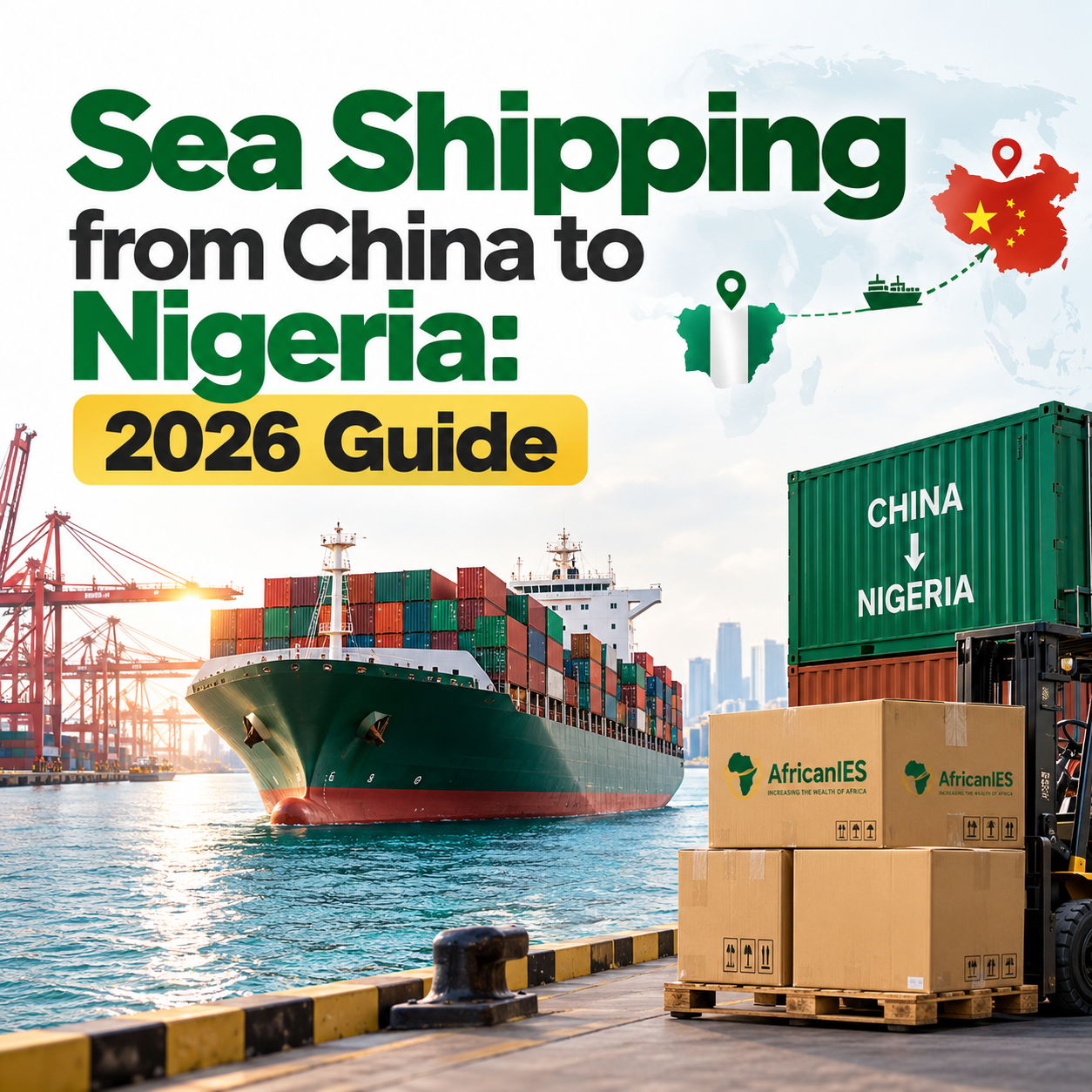
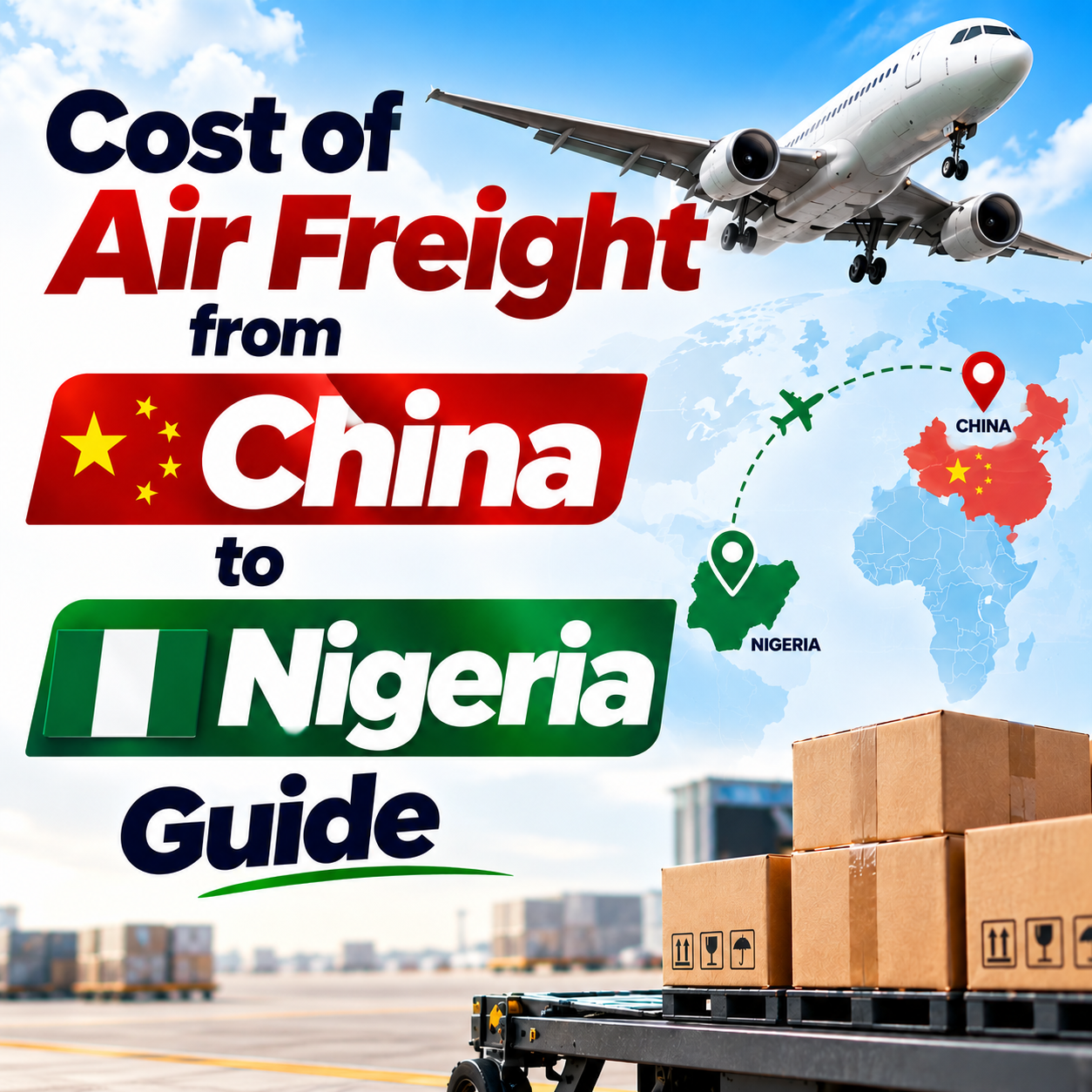
Step 17: Choose Between Air Freight and Ocean Freight
The right shipping method depends on the product, quantity, urgency, weight, and volume.
Air Freight
Air freight may be suitable for:
- Urgent goods
- Small shipments
- Lightweight products
- High-value products
- Samples
- Fashion items
- Electronics
- Customer orders
Advantages include:
- Faster delivery
- Easier inventory replenishment
- Reduced waiting time
Disadvantages include:
- Higher cost
- Restrictions on batteries, liquids, powders, and dangerous goods
- Volumetric weight charges
Ocean Freight
Ocean freight may be suitable for:
- Bulky items
- Heavy goods
- Furniture
- Machinery
- Building materials
- Commercial inventory
- Large wholesale orders
Advantages include:
- Lower cost for bulky shipments
- Larger cargo capacity
- Better economics for commercial quantities
Disadvantages include:
- Longer delivery time
- More complex port handling
- Potential demurrage or storage charges
- Greater need for planning
Consolidated Shipping
Consolidation allows goods from multiple suppliers to be collected in one warehouse and shipped together.
This can help reduce logistics complexity and shipping costs.
For example, you may purchase:
- Clothing from Guangzhou
- Packaging from Foshan
- Accessories from Yiwu
- Electronics from Shenzhen
The goods can be delivered to one warehouse, checked, combined, repacked, and shipped as one consignment.
Step 18: Calculate Chargeable Weight
For air freight, you may be charged based on actual weight or volumetric weight, whichever is higher.
A large but lightweight carton may cost more than expected because it occupies aircraft space.
The general volumetric formula varies by carrier, but it often considers:
- Length
- Width
- Height
- Divisor
Ask your logistics company how chargeable weight is calculated.
Before ordering, request:
- Unit weight
- Carton weight
- Carton dimensions
- Number of units per carton
- Total number of cartons
- Total volume
This information allows your shipping provider to estimate costs before the supplier dispatches the goods.
Step 19: Check Import Regulations
Some products require permits, certificates, testing, or government approval.
Regulated products may include:
- Food
- Cosmetics
- Medicines
- Chemicals
- Batteries
- Medical devices
- Electrical products
- Telecommunications equipment
- Agricultural products
- Vehicles
- Machinery
- Branded goods
Before purchasing, confirm:
- Whether the product is permitted
- Whether an import licence is required
- Whether registration is needed
- Whether inspection or testing is required
- Whether a certificate of conformity is required
- Whether special labelling is required
- Whether the product is restricted
Do not rely only on the supplier.
A Chinese supplier may understand Chinese export requirements but may not know the import regulations in your destination country.
Speak with a qualified logistics and customs professional before placing the order.
Step 20: Avoid Counterfeit and Branded Goods
Be careful when importing products bearing popular brand names.
A supplier may claim that branded products are original when they are counterfeit.
Importing counterfeit goods can result in:
- Seizure
- Fines
- Legal action
- Loss of the shipment
- Damage to your business reputation
Ask for proof of authorization before purchasing branded goods.
For many businesses, private-label or unbranded products may be a safer option.
Step 21: Use Proper Packaging
International shipping exposes goods to handling, stacking, movement, humidity, and pressure.
Weak packaging can lead to:
- Broken products
- Crushed cartons
- Water damage
- Missing items
- Scratches
- Customer complaints
Depending on the product, consider:
- Strong export cartons
- Wooden crates
- Pallets
- Bubble wrap
- Foam inserts
- Corner protectors
- Waterproof wrapping
- Fragile labels
- Desiccants
- Reinforced tape
For machinery or high-value goods, request professional export packaging.
Confirm packaging costs before production.
Step 22: Insure Your Shipment
Insurance protects your goods against covered loss or damage during transportation.
Do not assume the carrier’s basic liability will fully cover the value of your goods.
Ask:
- What risks are covered?
- What is excluded?
- Is theft covered?
- Is partial damage covered?
- Is water damage covered?
- What documentation is required?
- How long does a claim take?
- Is compensation based on cost or retail value?
Keep:
- Commercial invoices
- Packing lists
- Payment receipts
- Inspection reports
- Product photographs
- Shipping documents
These may be required for an insurance claim.
Common Mistakes When Buying Wholesale from China
1. Choosing the Cheapest Supplier
The cheapest supplier may use lower-grade materials or reduce product specifications.
Compare value, not only price.
2. Skipping Supplier Verification
A website, social-media account, or marketplace profile is not enough.
Verify the legal company and physical operation.
3. Paying Before Confirming Details
Do not pay until product specifications, quantities, price, packaging, production time, and payment terms are documented.
4. Skipping Samples
A sample helps you discover issues before committing to a large order.
5. Paying the Full Amount Before Inspection
Full upfront payment reduces your negotiating power.
Use balanced payment terms where possible.
6. Ignoring Shipping Costs
A cheap product may become expensive after freight and clearing.
Calculate landed cost before ordering.
7. Buying Too Much on the First Order
Start with a reasonable test quantity.
Do not tie up all your capital in an unproven product.
8. Failing to Inspect the Final Goods
The bulk order may differ from the sample.
Inspect before shipment.
9. Using Unverified Payment Channels
Do not send large amounts to personal or unrelated accounts without proper verification.
10. Ordering Regulated Goods Without Approval
Confirm destination-country regulations before purchase.
11. Allowing the Supplier to Control Everything
When the supplier controls production, inspection, shipping, and documentation, you may not receive independent information.
Use an independent sourcing or inspection partner where necessary.
How Much Money Do You Need to Buy Wholesale from China?
There is no fixed amount.
Your required capital depends on:
- Product price
- Minimum order quantity
- Customization
- Shipping method
- Product weight
- Cargo volume
- Import duty
- Inspection
- Insurance
- Marketing
Some buyers can begin with a small trial order, while machinery, vehicles, industrial equipment, or customized products may require significant capital.
A practical approach is to divide your budget into:
- 50–65% product purchase
- 15–30% shipping and customs
- 5–10% inspection and operational costs
- 10–20% contingency and marketing
The percentages will vary by product.
The most important rule is to avoid spending your entire budget on inventory alone.
How to Calculate Your Potential Profit
Use this simple approach:
Total Landed Cost = Product Cost + Sourcing + Inspection + China Delivery + Shipping + Customs + Clearing + Local Delivery + Other Fees
Then calculate:
Gross Profit = Selling Price – Total Landed Cost
For example:
- Product cost per unit: ₦4,000
- Shipping and customs per unit: ₦1,500
- Inspection and handling per unit: ₦300
- Marketing and local delivery: ₦700
- Total landed and selling cost: ₦6,500
- Selling price: ₦10,000
- Estimated gross profit: ₦3,500
You should also account for:
- Damaged units
- Returns
- Discounts
- Advertising
- Staff costs
- Storage
- Taxes
Do not base your expected profit on the highest price in the market.
Use a realistic selling price.
How to Buy Wholesale from China Without Travelling
You do not necessarily need to travel to China.
You can manage the process remotely by using:
- Online wholesale platforms
- Video calls
- Supplier verification
- Sample delivery
- Third-party inspection
- A sourcing company
- A China warehouse
- Secure payment channels
- International logistics services
A reliable team in China can act as your eyes and ears.
They can:
- Visit the supplier
- Confirm the factory
- Negotiate in Chinese
- Inspect samples
- Monitor production
- Collect goods
- Consolidate shipments
- Make RMB payments
- Arrange shipping
This can reduce the risk of making decisions based only on photographs and online conversations.
Is Alibaba the Cheapest Place to Buy from China?
Not always.
Alibaba is convenient for international buyers, but convenience may come at a higher price.
Some Alibaba sellers spend money on:
- Platform membership
- Advertising
- International sales staff
- Export support
- Marketing
- English communication
These costs may be included in product pricing.
Domestic platforms such as 1688 or local wholesale markets may offer lower prices.
However, a lower local price may require:
- Chinese communication
- Local payment
- China pickup
- Independent verification
- Warehouse consolidation
- Export arrangements
The cheapest listed price is not necessarily the lowest total cost.
Consider the entire transaction.
How to Know Whether a China Wholesale Supplier Is Reliable
A reliable supplier should generally be able to provide:
- Consistent company information
- Business registration documents
- Clear product specifications
- Samples
- Factory or warehouse videos
- Written quotations
- Production timelines
- Quality standards
- Reasonable payment terms
- Inspection access
- Export documentation
Good communication is also important.
A supplier who responds quickly before payment but becomes difficult to reach after receiving money may be risky.
Ask technical questions and observe whether the answers are clear and consistent.
How Long Does It Take to Buy and Ship Wholesale Goods from China?
The timeline depends on several stages:
- Supplier search
- Sample production
- Sample delivery
- Product approval
- Deposit payment
- Production
- Inspection
- China local delivery
- Export processing
- International shipping
- Customs clearance
- Final delivery
Ready-made goods may be available immediately.
Customized orders may take several weeks or longer.
Air shipping is generally faster than ocean freight, while sea shipping is usually more economical for large cargo.
Build extra time into your plan.
Do not promise customers a delivery date based only on the supplier’s production estimate.
Best Products to Buy Wholesale from China
The right product depends on your market, capital, experience, and customer base.
Popular categories include:
- Phone accessories
- Solar equipment
- Home appliances
- Fashion accessories
- Packaging materials
- Beauty tools
- Hair accessories
- Kitchen products
- Office supplies
- Auto parts
- Machinery
- Fitness products
- Lighting
- Furniture
- Building materials
- Agricultural equipment
Rather than asking, “What is the most profitable product?” ask:
What product can I sell consistently to a clearly defined customer at a profitable landed cost?
A product that is profitable for one importer may fail for another because of location, audience, marketing ability, and competition.
How African Import Export Solutions Can Help You Buy Wholesale from China
Buying wholesale from China involves more than purchasing products.
You need reliable support before, during, and after the transaction.
African Import Export Solutions helps businesses and individuals simplify the China sourcing and shipping process.
Our China services may include:
- Product Sourcing
- Supplier Verification
- Price Negotiation
- Sample Verification
- China Company Visits
- Chinese Translation
- RMB Payment Assistance
- Product Inspection
- Multiple-Supplier Pickup
- Consolidation
- Shipping from China
Conclusion
Learning how to buy wholesale from China can open significant opportunities for your business.
You can access competitive prices, diverse products, private-label manufacturing, and large production capacity.
However, successful importing requires more than finding a supplier online.
You must:
- Select the right product
- Understand your market
- Verify the supplier
- Test samples
- Negotiate clearly
- Use secure payment methods
- Inspect the finished goods
- Calculate shipping and customs costs
- Follow import regulations
- Work with reliable logistics professionals
The biggest mistake is making a large payment based only on photographs, promises, or a low price.
A careful sourcing process may take more time, but it can protect your capital and help you build a profitable, long-term import business.
Ready to Buy Wholesale from China?
African Import Export Solutions can help you source, verify, negotiate, inspect, consolidate, pay suppliers, and ship your goods from China.
You do not have to manage the language barrier, supplier uncertainty, payment challenges, and logistics process alone.
Tell Us What You Want to Buy from China
Our team will help you understand the process, reduce avoidable risks, and choose the right sourcing and shipping solution.
Our China Warehouse
Guangzhou African Import Export Solutions
广州艾非客进出口有限公司
City Star Logistics Park, Dabu Heng 2nd Road, Dabu Village, Lishui Town,
Nanhai District, Foshan City, Guangdong Province, P.R.China
Postal Code: 528244
Awarded Most Reliable Shipping Company (2019-2023)

FAQs
Can an Individual Buy Wholesale from China?
Yes. You do not need to be a large company to buy wholesale from China.
However, some suppliers require a minimum order quantity.You can begin with a smaller test order or work with wholesalers that accept mixed quantities.
Do I Need an Import Licence?
This depends on the product and destination country.
Some products can be imported without a special licence, while regulated goods may require permits, registration, testing, or certifications.Confirm the requirements before ordering.
What Is the Best Website for Buying Wholesale from China?
Common options include Alibaba, 1688, Made-in-China, and Global Sources.The best platform depends on your product, order quantity, communication ability, and need for customization.
Is It Safe to Buy Wholesale from China Online?
It can be safe when proper verification, secure payment, sampling, written agreements, and inspection are used. No marketplace eliminates all risk.
Should I Use a Sourcing Agent?
A sourcing agent can be useful when you do not speak Chinese, cannot visit the supplier, or are handling multiple vendors.Choose a transparent and verifiable sourcing partner.
How Do I Pay a Chinese Supplier?
Payment methods may include bank transfer, trade assurance, letter of credit, PayPal for smaller payments, or local RMB payment assistance.Verify all account details before paying.
Do AfricanIES Source, Consolidate and ship?
Yes. AfricanIES provides serves for sourcing, verification, warehousing, consolidating and shipping to your doorstep
Can I Buy from Multiple Suppliers?
Absolutely. Shipping can significantly impact your profits. Many beginners focus only on product prices and forget to calculate freight, customs, and delivery expenses.
What Is a Good Minimum Order for a Beginner?
There is no universal quantity.
Choose an amount you can afford to test without risking all your capital.Consider starting with enough units to evaluate customer demand while keeping inventory manageable.
Next Step
Ready to Buy Wholesale from China?

Leave a Reply