


A few years ago, most Nigerians thought exporting from Nigeria was only for big companies with deep pockets, large warehouses, and strong international connections. Many believed that exporting from Nigeria was too complicated, too expensive, or simply out of reach for ordinary entrepreneurs.
But things have changed dramatically.
Today, small business owners, farmers, fashion designers, food sellers, skincare producers, and everyday entrepreneurs are successfully exporting from Nigeria and earning real income in dollars, pounds, and euros. Products such as dried foods, spices, shea butter, Ankara fabrics, hair extensions, handmade crafts, and natural skincare products are being shipped from Nigeria to customers in the USA, UK, Canada, and other international markets.
The growing success of exporting from Nigeria is largely driven by increasing demand for authentic African products abroad. Millions of Nigerians living overseas want access to the foods, fabrics, and products they grew up with, while consumers from other cultures are increasingly embracing natural African products for their quality, uniqueness, and authenticity. As a result, exporting from Nigeria has become one of the most accessible opportunities for entrepreneurs looking to build a profitable business and reach customers around the world.
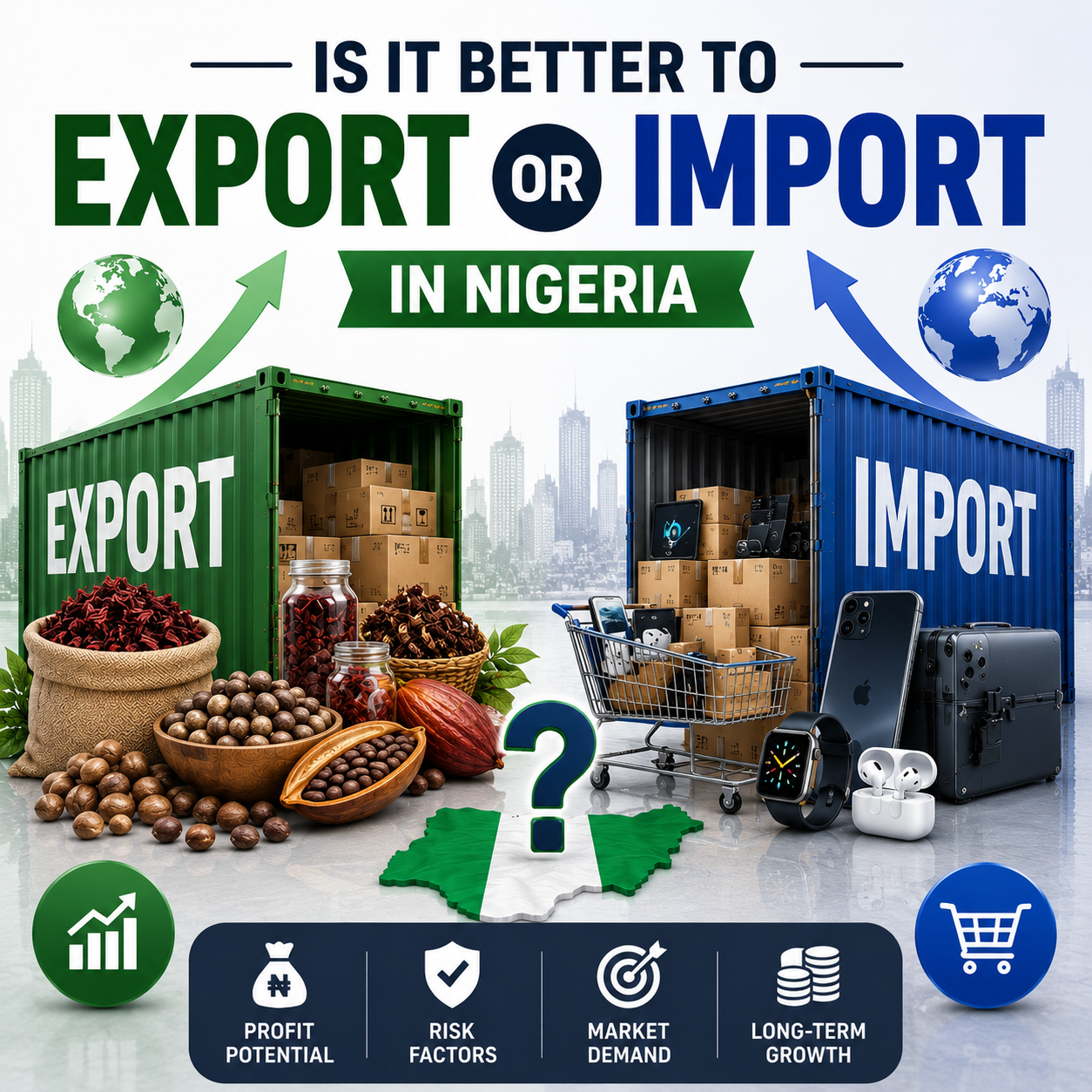
So the big question is: Is exporting from Nigeria really worth all the stress and effort?

The simple answer is yes, but only if you do it the right way. That’s why companies like African Import Export Solution (AIES) exist. We help Nigerian businesses export their goods without all the usual headaches.
Do you want to know how to export Agricultural Products from Nigeria to the USA? Read this
Nigeria Has What the World Wants
One of the biggest reasons Exporting From Nigeria continues to grow is because Nigeria already produces goods that international buyers actively want. We don’t need to convince people to buy these products because the demand already exists.

Think about African foods like garri, egusi, palm oil, bitter kola, locust beans, and different spices. Many Africans living overseas look for these products every day because nothing else tastes the same. Shea butter is another product driving the growth of Exporting From Nigeria, as consumers around the world prefer authentic, natural skincare and haircare products sourced directly from Africa.
Then you have fashion items like Ankara fabrics, handmade bags, jewelry, and clothing. Even natural hair products and organic skincare products are creating new opportunities for businesses involved in Exporting From Nigeria. Buyers abroad are drawn to these products because they feel authentic and unique. They want to know the story behind the shea butter made by women in rural communities or how traditional spices are sourced and prepared. This gives Nigerian products a competitive advantage over mass-produced alternatives. The market is already waiting; your job is to package your products properly and connect them with the right customers.
The Dollar Advantage Is Real
One of the biggest financial benefits of Exporting From Nigeria is the ability to earn in stronger foreign currencies. When you sell only within Nigeria, your revenue is limited to the local market. However, Exporting From Nigeria allows you to access buyers who pay in dollars, pounds, and euros.

For example, a well-packaged spice blend or dried soup mix that sells for ₦5,000 to ₦8,000 locally can sell for $15 to $35 or more internationally, depending on branding, packaging, and market demand.
This is especially true for businesses involved in:
- Food products
- Fashion items
- Hair extensions
- African fabrics
- Natural skincare products
- Agricultural products
This is why Exporting From Nigeria remains one of the most powerful ways for entrepreneurs to expand beyond local markets and increase profitability.
Yes, Exporting Can Be Stressful
While exporting can be highly profitable, it is not a shortcut to instant wealth. There are real challenges that businesses must overcome to succeed internationally.
- Shipping delays: Your container can sit at Lagos port for weeks because of missing documentation.
- Customs documentation: One incorrect HS code can trigger inspections and delays.
- Packaging standards: Products that meet local expectations may fail international compliance requirements.
- Product restrictions: Some products cannot legally enter certain countries.
- Finding reliable buyers: Not every inquiry turns into a paying customer.
- Freight costs: Choosing between air freight and ocean freight requires careful planning.
- Payment concerns: International transactions can present unique challenges.
Most successful businesses involved in Exporting From Nigeria thrive because they learn the system and work with experienced logistics partners. They focus on their products while relying on experts to handle shipping, customs requirements, and international compliance.
Exporting Is Easier Today Than Ever Before
Ten years ago, exporting from Nigeria meant knowing someone at the port, having a fat budget for freight, and hoping your paperwork didn’t get “misplaced.” You needed an office in Lagos, a clearing agent, and a lot of patience.
A lot of that has changed. Now you can:
- Find buyers online
- Market products on social media
- Receive international payments
- Track shipments digitally
- Access export training
- Use freight forwarding services
- Ship smaller quantities internationally
Technology has made global business much more accessible. The barrier isn’t “do you have millions?” anymore. It’s “Do you understand the process, and can you deliver consistently?” Even Instagram and TikTok have become powerful tools for finding international customers.
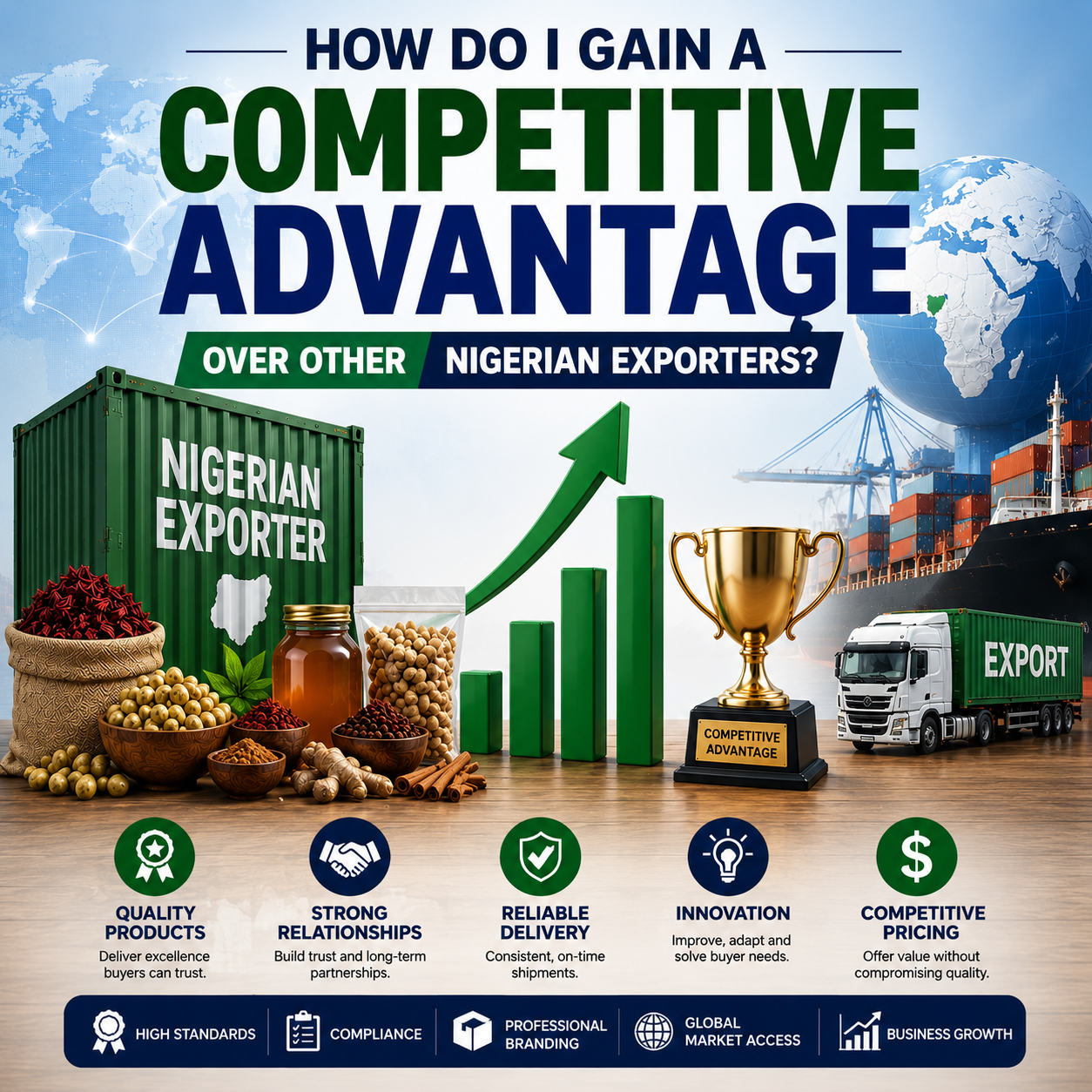
The Biggest Mistake Nigerian Exporters Make
The biggest mistake exporters make is ignoring quality and branding. You can have the best ginger in the world, but if it arrives in a dirty sack with a handwritten label and inconsistent size, US buyers won’t reorder because they have options.
International buyers care about:
- Clean packaging
- Proper labelling
- Consistent quality
- Professional communication
- Fast deliver
- Trust
You cannot package products carelessly and expect global buyers to take your business seriously. In Nigeria, packaging is an afterthought, but in the US, it’s the first thing a buyer judges you on. This is why exporters who invest in branding often perform better internationally.
Small Businesses Are Winning Too
One beautiful thing about modern exporting is that you no longer need to be a giant company before starting. Many small Nigerian businesses now export:
- Foodstuff in small quantities: 50kg of garri, dried fish, or plantain flour by air freight
- Fashion accessories: Beads, bags, jewelry to Etsy and diaspora boutiques
- African fabrics: Ankara and adire for customers in the US and UK.
- Organic skincare products: Shea butter, black soap, moringa oil, and so many more.
- Handmade crafts: Baskets, art, and decor for home goods stores.
The important thing is starting smart. Begin by testing with 50-100kg by air. Prove you can deliver on time, and with the right quality. Finally, understand the market and don’t guess it. That’s how many successful export businesses started; Not with a loan and a prayer, but with one small shipment that arrived on time and looked professional.
At AIES, we work with small exporters every week who are starting exactly this. We handle NEPC registration, FDA prior notice, packaging compliance, and US warehousing so you can focus on product and buyers.
Why Many Businesses Choose AIES
African Import Export Solution (AIES) has positioned itself as more than just a shipping company. Anyone can book a container. What slows most Nigerian exporters down is everything before and after that container leaves Lagos port. That’s where we come in by providing services around:
- Export development: We help you pick products that actually sell in the US, figure out pricing, and set up your process so you’re not guessing.
- Global logistics: Pickup in Nigeria, documentation, customs clearance, US delivery. All under one point of contact, not five different agents pointing fingers.
- Warehousing: We provide US warehousing so your buyers get fast delivery without you paying for air freight every time. We hold stock, fulfill orders, and ship locally.
- Product sourcing: Need verified suppliers for hibiscus, sesame, or garri? We connect you to partners who can meet quality and volume requirements.
- Export licenses: NEPC registration, export permits, and documentation handled so you don’t get stuck at customs.
- Air and ocean shipping: Air for testing and small orders, and sea for scale. We help you choose based on margin, not just speed.
- Training for exporters: Practical training on FDA compliance, packaging standards, and buyer communication. No bluffs, just what gets your shipment cleared.
We’ve seen too many good products fail because of avoidable mistakes. A missing phytosanitary certificate, wrong moisture content, and packaging that looks unprofessional on a US shelf. These are fixable problems, but only if you catch them before the shipment leaves.
Final Thoughts
Nigeria has incredible potential. Our products have soul and uniqueness that the world is starting to appreciate more. Local markets are important, but they shouldn’t be your only limit. The businesses that will be thriving in the coming years are the ones taking action now. They’re the ones learning, partnering wisely, improving quality, and shipping their first samples.
At African Import Export Solution, we’re passionate about walking this journey with you. Whether you’re just thinking about exporting or you’ve tried before and faced challenges, we have the experience, network, and systems to make your next attempt much smoother.
If you’ve been sitting on that business idea or those quality products, this might be your sign. The world is ready for what you have to offer, so don’t let fear of paperwork or logistics hold you back.
Awarded Most Reliable Shipping Company (2019-2023)

FAQs
Is Exporting From Nigeria Really Profitable?
Yes. Exporting from Nigeria can be highly profitable because you are selling to larger international markets where customers often pay in stronger currencies such as dollars, pounds, and euros. Products like food items, agricultural products, fabrics, skincare products, and handmade crafts can command significantly higher prices abroad than they do locally.
How much capital do I need to start an importation business?
There is no fixed amount required to start, you can begin with a relatively small budget if you choose lightweight, high-demand products and use cost-effective shipping methods.
What Are the Best Products for Exporting From Nigeria?
Some of the most popular products for exporting from Nigeria include agricultural products, shea butter, black soap, palm oil, garri, egusi, spices, dried foods, cocoa, ginger, sesame seeds, Ankara fabrics, fashion accessories, hair extensions, and handmade crafts.
Do I Need a Large Amount of Capital to Start Exporting From Nigeria?
No. Many successful exporters start with small shipments and gradually scale their businesses. You can begin with manageable quantities, test the market, and reinvest your profits as your customer base grows.
How Do I Find International Buyers?
You can find buyers through social media, online marketplaces, trade directories, export promotion platforms, trade fairs, referrals, and networking opportunities. Building an online presence can also help attract buyers from different countries.
Is Now a Good Time to Start Exporting From Nigeria?
Yes. Global demand for authentic African products continues to grow, while technology and logistics solutions have made international trade more accessible than ever. Businesses that start now are well-positioned to take advantage of expanding opportunities in international markets.
How Can African Import Export Solution (AIES) Help?
African Import Export Solution (AIES) supports businesses with export development, product sourcing, export documentation, warehousing, shipping, logistics, compliance guidance, and training to help Nigerian businesses reach global markets successfully.
Next Step
Ready to start your Exportation business?


Leave a Reply