

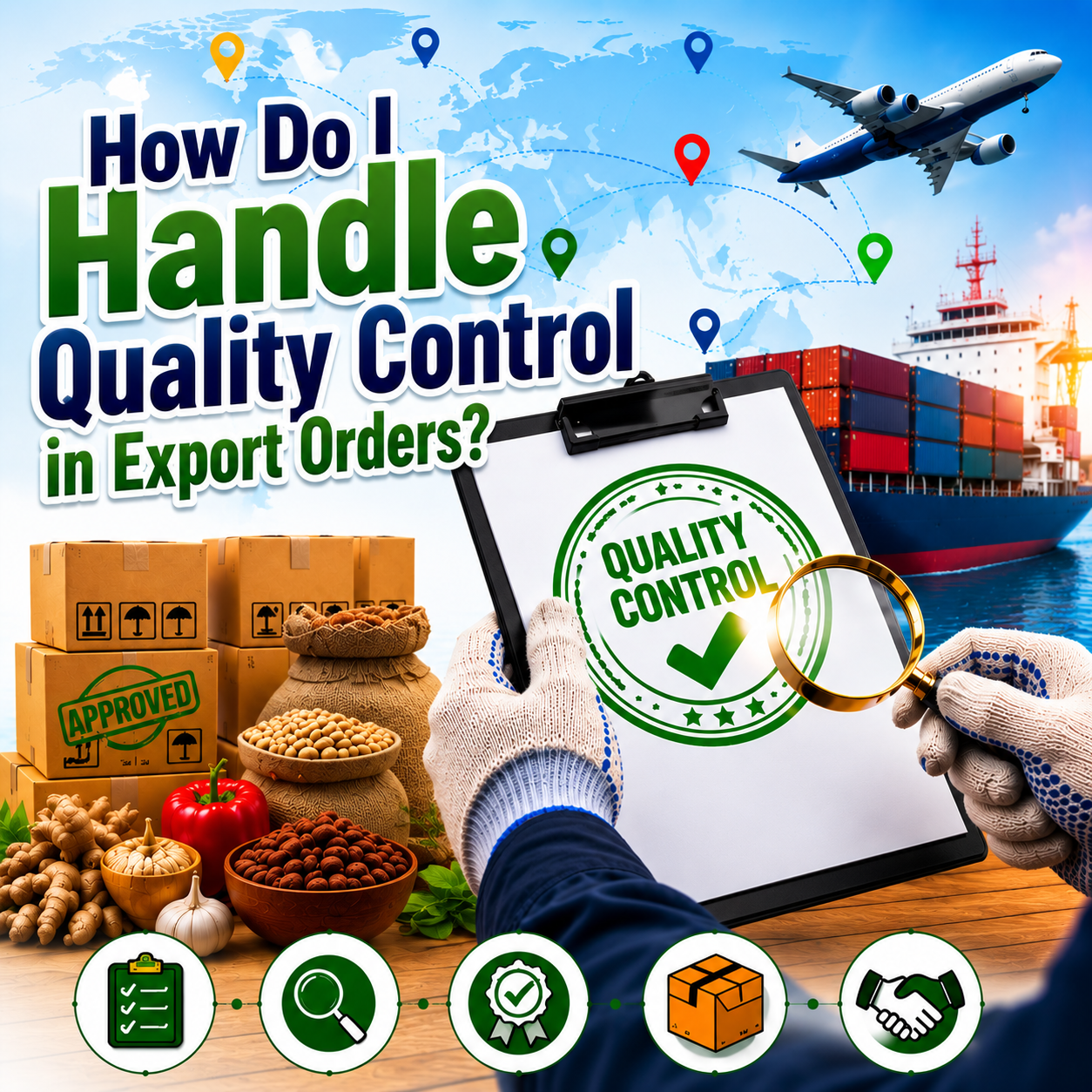

Quality Control is one of the biggest factors that separates successful exporters from those who struggle to keep international buyers. Imagine this: after months of searching, sending emails, and negotiating, you finally secure your first international customer. Excited about the opportunity, you package your products, arrange shipping, and confidently send them off, expecting the start of a long-term business relationship.
Then, a few weeks later, you receive a message you never wanted to see:
“The products did not meet our expected quality standards.”
In that moment, excitement quickly turns into disappointment. Future orders are put on hold, your reputation takes a hit, and the profits you expected begin to disappear. Most painful of all, your confidence in the export business starts to fade.
This situation is more common than many exporters realize. And in most cases, it doesn’t happen because the product itself is bad. It happens because proper Quality Control was missing somewhere in the process.
In international trade, quality is not just an important detail; it is the foundation of your business. Buyers in the USA, Canada, Europe, Asia, and other global markets may never visit your factory, warehouse, or production facility. The only thing they truly experience is the product that arrives at their doorstep. Every shipment becomes a reflection of your company, your standards, and your reliability.
A single quality issue can undo months of hard work, damage buyer trust, and close doors that took years to open.
The good news is that Quality Control is not complicated, expensive, or reserved for large corporations. It is simply a system of checks, standards, and processes designed to ensure that every product meets expectations before it leaves your hands.
When implemented properly, Quality Control helps protect your business, reduce costly mistakes, strengthen customer confidence, and increase repeat orders. It transforms exporting from a risky transaction into a sustainable business model.
The process starts by clearly understanding what quality means to your buyer, not just what you personally consider acceptable. Different markets have different expectations, and successful exporters learn to meet those expectations consistently.
Ultimately, Quality Control is what turns a one-time sale into a long-term business relationship. It’s what transforms satisfied buyers into repeat customers and helps build a reputation that opens doors to larger opportunities in global markets.
Do You Want To Know Which Countries Buy the Most Nigerian Exports? Read this
First, Understand What Quality Control Really Means
Many exporters believe quality control is just checking products right before shipping. That thinking is incomplete, and it’s exactly why many deals fall apart after the goods are already on the water. Real quality control begins long before production starts. It includes sourcing the right raw materials, using the correct processing methods, maintaining proper hygiene in your facility, packaging correctly, storing products safely to prevent spoilage, and inspecting goods at every single stage. Skip any of these steps, and you’re taking a big risk with the outcome.
In simple terms, quality control means making sure your buyer receives exactly what was promised, not something close or “almost right.” This covers size, colour, weight, moisture level, packaging, labelling, and overall performance. That level of consistency is what separates serious, professional exporters from those who keep struggling.
Customers abroad aren’t interested in how difficult the production process was for you. They only care that the 500th box looks, feels, and performs exactly like the sample they approved.
Step 1: Start with the Right Suppliers
Most quality problems actually begin at the sourcing stage. If your raw materials are inconsistent or low-grade, it can become almost impossible to produce a good final product, no matter how careful you are later. For example, poor-quality ginger results in weak flavor and aroma in the finished product, and contaminated food items can lead to shipments being rejected or even destroyed at the destination port.
Successful exporters don’t just buy from any available supplier when they need materials. They build long-term relationships with reliable ones who understand export standards and can deliver consistent quality batch after batch.
This means carefully inspecting raw materials when they arrive, requesting samples before placing large orders, checking consistency across different batches, and keeping good records of each supplier’s performance. One dependable supplier is far more valuable than ten cheap ones.
Step 2: Create Clear Product Standards
This is one area where many exporters become disorganized without noticing it. When you tell your workers to “make it look good” or “pack it nicely,” different people will understand that instruction in different ways. One person may accept slightly broken pieces, while another throws away anything that isn’t perfect. The result is inconsistent quality.
Professional exporters solve this by setting clear product standards before production begins. They write down the exact requirements: the right size, acceptable colour range, allowed moisture level, type of packaging, labelling details, and promised shelf life. You don’t need a long, complicated document. A simple one-page sheet with photos of approved and rejected samples often works better than a 10-page guide that no one reads.
Without clear standards, your quality can quickly become unpredictable. Your first order might turn out excellent because you personally supervised everything. But the second order can look very different once you step back and leave it to the team. The goal is to make your product predictable so that a customer should be able to open a box six months later and find out that it matches the sample they approved today.
Step 3: Train Your Team Properly
Here’s a hidden truth in the export business: your team can either protect your reputation or damage it in a single shipment. Even if you personally understand quality control, untrained staff can create big problems, as you cannot be present in every corner of your facility checking every item every day.
Your workers need clear training on:
- Hygiene procedures
- Packaging standards
- How to handle products without damaging them
- What to inspect for, and
- Why international standards are stricter than local ones.
Successful exporters build systems instead of relying on luck. This includes short, regular training sessions, visual guides placed where people work, and simple checklists for each stage of production.
Show your team what “good” looks like, then let them practice and review their work until it becomes second nature.
Step 4: Inspect Products During Production, Not Only at the End
This is one of the smartest quality control strategies, yet many exporters learn it the hard way. Most people wait until the products are fully finished before checking quality. This approach can become very expensive quickly. If you discover problems after everything is packed and ready to ship, fixing them wastes time, money, and materials. In some cases, you may have to discard the entire batch.
Smart exporters inspect at every stage of production.
- They check packaging while it’s happening, not after the cartons are sealed.
- They review labelling while it’s being printed, not after the stickers are already on.
- They monitor moisture levels during drying and verify sizes during sorting.
Small checks during production help you catch problems early, when they are easy and cheap to fix. Catching issues early protects your costs, keeps your deadlines, and prevents disappointments for the buyer.
Step 5: Packaging Is Part of Quality Control
Many exporters treat packaging as an afterthought, and this can be a very costly mistake. Packaging is much more than just putting your product in a box; it affects product safety, shelf appeal, protection during transportation, and how buyers perceive your brand. Poor packaging can ruin even the best products before they reach the customer.
Imagine shipping fragile goods in weak cartons that can get crushed in transit, or sending food items in packaging that leaks or tears easily. Even if the product inside is excellent, bad packaging creates a poor first impression. International buyers pay close attention to presentation because it shows how seriously you take your business. Your packaging should protect the product from damage and moisture, look professional on the shelf, include all required labels, and meet the regulations of the destination country.
Step 6: Documentation Must Match the Product
Documentation is a very critical aspect of quality control. That means, even if your product is excellent, errors in paperwork can destroy the buyer’s confidence instantly. Wrong product descriptions, incorrect quantities, labelling mistakes, missing certifications, or inaccurate compliance details can cause serious issues at the port or with customs. Imagine a buyer receiving a shipment labelled “whole cashew nuts” only to find mostly broken pieces inside. This will immediately create doubt, and the buyer might start wondering what else might be wrong.
Professional exporters treat documents with the same care as the product itself. They double-check everything before shipment to ensure the paperwork and the actual goods tell the same accurate story.
Step 7: Understand International Market Standards
Different countries have different expectations, and what is acceptable in one market may not work in another. For example:
- Food products entering the USA often need FDA compliance.
- Canada may require bilingual labelling.
- European markets usually demand strong product traceability and sustainability practices. Some countries also focus on using recyclable or compostable packaging materials.
This is an area where many African exporters face challenges, not because their products are poor, but because they are not fully aware of these international requirements. At African Import Export Solutions (AIES), we see this as one of the biggest barriers for African businesses. That’s why we help exporters understand export compliance, proper product preparation, logistics, and specific market expectations for countries like the USA and Canada.
Step 8: Test Samples Before Large Shipments
Never assume your product is perfect just because it looks good in your workshop; always test first. Before shipping large quantities, send samples to the buyer and wait for their honest feedback. Let them inspect the quality, check the packaging, and confirm it matches what they agreed to. Sometimes they may request changes; different packaging, adjusted labelling, different sizes, or better finishing after seeing the physical sample.
It is much easier and cheaper to fix issues with a small sample than to deal with a full container that gets rejected at the port. Experienced exporters rarely skip this step. They know that what feels “good enough” to them may not fully meet the buyer’s expectations. A small sample shipment costs very little compared to a large order, but it gives you confidence and clarity. It turns guessing into an agreement and protects both sides.
Step 9: Build a Quality Control Checklist
Simple systems create powerful results. One of the easiest and most effective tools is a quality control checklist. Before every shipment, run through a short list of checks:
- Is the packaging correct and undamaged?
- Are the labels accurate and clearly readable?
- Are the quantities correct according to the order?
- Are the products clean and free from defects?
- Are all export documents complete and match the goods?
- Does the product match the approved sample?
Checklists help reduce human error, especially when your team is tired or working under pressure. Even experienced exporters use them because memory can fail, but a written process does not. A simple checklist takes just ten minutes but can prevent mistakes that cost thousands of dollars and damage trust for months.
Step 10: Learn to Think Like the Buyer
Instead of asking, “Is this product good enough?” start asking, “Would I confidently pay for this product if I were the buyer?”
Smart exporters become obsessed with the customer’s experience. They think about how the product will arrive after weeks at sea, how it looks on a store shelf, how it smells when the box is opened, and what the buyer feels when they inspect it. In global trade, perception matters just as much as the actual product.
When you start seeing your product through the customer’s eyes, you begin to notice small details you used to miss, like a smudge on the label, a weak seal, or a slight off smell. Things that seem minor to you can be big red flags to them.
Why Many Export Businesses Lose Buyers Permanently
Here’s something many new exporters don’t realize: International customers have plenty of options. They are not stuck with you, and they won’t wait around while you figure things out. If your quality becomes inconsistent or unreliable, they will simply move on to another supplier.
Bad news also travels fast in international markets. The export community is more connected than it seems. A disappointed customer may stop placing orders, refuse to give referrals, share negative feedback on platforms other buyers use, or warn others in their network. Sometimes, one message in the wrong group chat can close doors you didn’t even know were open.
This problem often affects new exporters who treat quality control as an afterthought or something to worry about only after they’ve secured the order. They focus on getting the container out quickly instead of making sure the contents are consistent and reliable.
At the end of the day, exporting is more about being reliable than being perfect. Buyers don’t expect you to have zero mistakes, but they do expect you to catch them, fix them, and make sure they don’t happen again. When you treat quality control as a system instead of a last-minute check, you stop gambling with your reputation and start building one that travels faster than your products do. The world is buying from Africa right now; the only question left is whether your business will be the one they keep coming back to.exporting complicated. It’s to make it predictable, so you can deliver what you promise and get paid for it
Conclusion
At the end of the day, Quality Control is not just about preventing defects; it’s about protecting your reputation, your profits, and your future in international trade. Buyers may forget a marketing message, but they rarely forget poor quality. Every shipment you send tells a story about your business, and that story is either building trust or destroying it.
The most successful exporters understand that quality is not something you inspect at the end of the process. It is something you build into every stage, from sourcing and production to packaging, documentation, and shipping. When Quality Control becomes part of your business culture, mistakes become less frequent, customer complaints decrease, and repeat orders become more common.
Remember, international buyers are not looking for perfection; they are looking for consistency. They want confidence that the product they receive today will be the same quality as the one they receive six months from now. That consistency is what creates long-term relationships and sustainable export growth.
If you are serious about building a profitable export business, make Quality Control a priority from day one. The investment you make in maintaining standards today can save you from costly disputes, rejected shipments, and lost opportunities tomorrow.
In global trade, quality is not an expense. It is a competitive advantage. And for exporters who get it right, Quality Control becomes one of the most powerful tools for winning buyer trust, increasing repeat business, and creating long-term success in international markets.
Awarded Most Reliable Shipping Company (2019-2023)

FAQs
What is Quality Control in export orders?
Quality Control is the process of inspecting, testing, and verifying products before they are shipped to international buyers. It ensures that products meet agreed standards, buyer expectations, and import requirements.
Why is Quality Control important in exporting?
Quality Control helps prevent:
- Product rejections
- Customer complaints
- Shipment delays
- Refund requests
- Damage to your reputation
What happens if I skip Quality Control?
Without proper Quality Control, you risk shipping defective, damaged, or non-compliant products. This can lead to rejected shipments, financial losses, negative reviews, and the loss of valuable international customers.
How important is packaging in Quality Control?
Packaging is extremely important. Even a high-quality product can arrive damaged if the packaging is weak or unsuitable for international shipping. Proper packaging protects products during handling, storage, and transportation.
Can poor Quality Control affect repeat orders?
Absolutely. International buyers value consistency. If one shipment meets expectations and the next does not, buyers may stop ordering altogether and look for a more reliable supplier.
What role does documentation play in Quality Control?
Documentation provides evidence that quality checks were completed. It helps track issues, maintain standards, and demonstrate compliance to buyers and regulators when necessary.
How can AfricanIES help with exporter registration?
African Import Export Solutions (AfricanIES) helps businesses through:
- Export registration guidance
- NEPC registration support
- Export training and mentorship
- Documentation assistance
- Logistics and shipping solutions
- Export readiness support
- International trade guidance
We help businesses move from the idea stage to becoming active exporters in global markets.
Next Step
Ready to start an export business?



Leave a Reply