


Right now, somewhere in Nigeria, a container of agricultural products is leaving the port for Europe, and another is heading to China or the UAE. While many people are still struggling with unstable naira income, some Nigerian exporters are quietly getting paid in dollars, pounds, and euros for products grown and sourced right here at home.
That part sounds unreal to so many people because when most Nigerians hear “export,” they picture big companies, rich businessmen, millions in start-up capital, and connections at the top. But the reality is different. You don’t need to own a factory to start, you don’t need to be a billionaire, and no, you don’t need to know a governor or a president. What you need is understanding. Once you understand how the business works, you start to see it clearly: Nigeria has products the world is already buying, and they’re willing to pay good money for them.
So the real question is, how much can you actually earn exporting from Nigeria?
The answer depends on what you export, how you source it, and how well you manage costs and buyers. But here’s why it surprises most people: when you sell locally, you’re paid in naira, and your profit margin is squeezed by local competition and price fluctuations. When you export, you price in foreign currency. So, even after paying for processing, packaging, shipping, and documentation, the margin is often much wider because the value of your product changes once it crosses the border.
Take cocoa, sesame, ginger, cashew, or hibiscus; these are commodities Nigeria produces in large volumes, and they have consistent demand abroad. What matters is buying right, meeting quality standards, handling documentation properly, and working with reliable logistics. Profits vary by product and season, but the reason people stay in export is that once you get the system working, you’re earning in a currency that holds value, and you’re selling into markets where demand is stable.
It’s not overnight money, and it’s not risk-free. You can lose on bad buyers, poor quality, or weak logistics if you don’t know what you’re doing. But for people who take the time to learn the process, export becomes one of the few businesses where your income isn’t tied to the naira’s ups and downs. That’s why more Nigerians are looking at it now, not because it’s easy, but because the upside is real once you know how to play it right.
Do You Want To Know How To Handle Customs Without Delays When Exporting? Read this
Exporting Is Not “Fast Money”

Export isn’t a shortcut to overnight wealth, and it’s not one of those online schemes promising millions in a week. Real export runs on the basics:
- You source good products
- Find buyers you can trust
- Handle logistics
- Get your paperwork right
- Understand the market, and
- Stay consistent.
It takes work, and there are no shortcuts. But once the process starts working, the income potential is on a different level compared to most businesses that only sell locally. The reason is simple: you’re no longer limited to the Nigerian market, you’re selling to buyers in Europe, Asia, the Middle East, and beyond, and those buyers pay in dollars, pounds, or euros. When your income comes in foreign currency, even small increases in volume change what you take home.
Why Exporting From Nigeria Is Becoming More Profitable
Nigeria already has products the world is looking for. We’re not talking about things you need to invent or import; they’re here, and the demand is real. Buyers abroad are actively sourcing cocoa, sesame seeds, cashew nuts, ginger, hibiscus flower, charcoal, shea butter, palm products, bitter kola, and soybeans from Nigeria. A lot of these crops grow well here, and when they’re handled properly, the quality competes with anything on the global market.
The exchange rate adds another advantage. If a buyer pays you $10,000 for a shipment, that converts to several million naira depending on the rate at the time. That’s a big part of why more entrepreneurs across Africa are paying attention to export right now. You don’t need to start with massive volumes; most successful exporters begin with products they can source reliably, meet buyer standards, and deliver on time. Once you get that right, you’re earning in a currency that holds value, and you’re selling into markets where the demand isn’t going away anytime soon.
So… How Much Can You Really Earn?
This depends on several factors, and the most important of them is what you’re selling.
- Your Product Matters
Not every export product pays the same, and not every product is the right fit for a beginner. The product you choose affects your profit margin, how fast you can sell, and how much capital you need to start.
Take cocoa, it has a strong demand worldwide, and when you source good quality at the right price, the profit margin can be solid. Then there’s sesame seed, Asia and the Middle East buy it in large volumes, and Nigerian sesame is known for its quality. Cashew is another one; both raw cashew nuts and processed kernels move well globally, and the demand stays consistent year after year.
In essence, some products move faster than others. Some give you higher profit margins but need more capital upfront. Some are easier to store and transport, while others need more careful handling. That’s why experienced exporters don’t just pick a product because it’s popular. They study demand, pricing trends, the cost of sourcing, and finally shipping before they commit. Choosing the right product from the start saves you a lot of stress later.
- The Real Secret Behind Export Profits
The real money in export isn’t just about buying cheap and selling high. It’s about positioning yourself right. Successful exporters pay attention to things most beginners ignore. They watch international demand so they know when buyers are actively looking. They understand timing, because getting your product to market a few weeks earlier or later can change the price you get. They know how to price without underselling themselves, and they manage the supply chain so nothing breaks down between the farm and the port.
Buyer psychology matters too. If you understand what makes a buyer trust you and come back, then you’re already ahead. For example, if you know global cocoa demand usually rises before a certain season, you can position your stock earlier and negotiate better prices. If you understand shipping timelines, you avoid delays that eat into your profit and damage trust. If you can package properly and meet standards, buyers take you more seriously and are willing to pay more.
In that sense, you should understand that export is part business, part strategy. The people who treat it like both are the ones who stay in the game.
- What Determines How Much You Can Earn
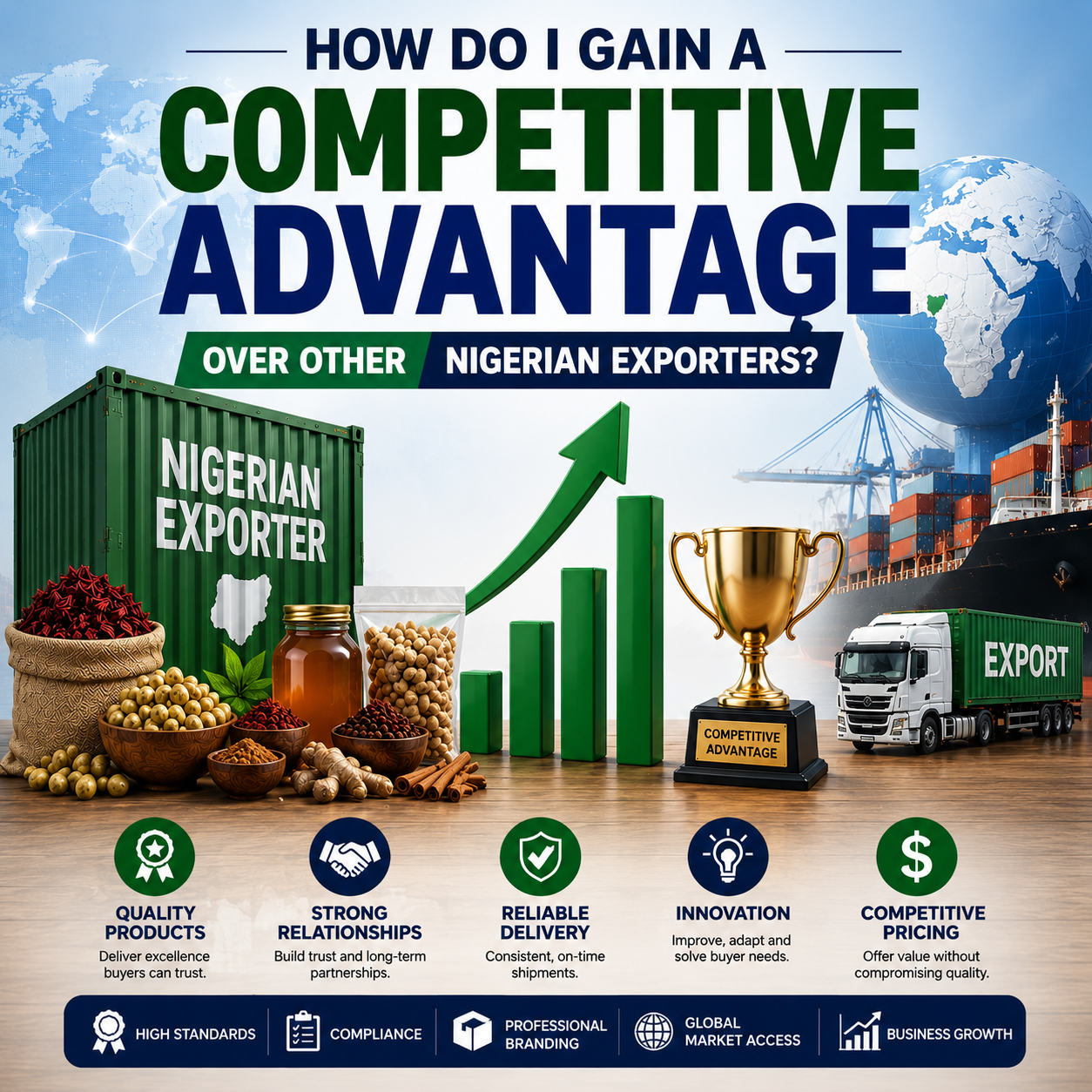
A few things control your income as an exporter, and they all connect. Product quality comes first.
- High-quality goods
High-quality goods attract serious buyers who pay better and order again, while poor-quality products do the opposite. They create losses, complaints, and a reputation that’s hard to fix.
- Buyer relationships
Buyer relationships are what make the income stable. One loyal international buyer can transform your business more than chasing ten new buyers every month. Repeat orders reduce your marketing costs and give you a predictable cash flow.
- Export Knowledge
Your knowledge of export procedures matters more than people think. Knowing how to handle documentation, licenses, and customs saves you from costly mistakes and delays.
- Logistics efficiency
Logistics efficiency is the same. A delay at the port or a mistake in paperwork can wipe out your profit fast. That’s why experienced exporters work with reliable freight forwarders and plan timelines carefully.
- Market timing
Market timing plays a role too, as commodity prices move constantly based on global supply and demand. Smart exporters watch these trends and time their sales so they’re not selling when prices are at their lowest.
Get these pieces working together, and your income stops depending on luck and starts depending on the system you’ve built.
- Why Some Exporters Fail Even With Good Products
What many people don’t realize is that having a good product doesn’t guarantee success. A lot of people assume that once you start exporting, the money follows automatically. That’s not how it works. Some exporters struggle for months and quit, even when their product is in demand.
It usually comes down to preparation, as people often rush into the business without understanding how it works, and they end up working with fake buyers who waste their time or disappear with samples. Others ignore documentation until their shipment is stuck at the port, while some underprice their goods just to close a deal, only to realize they’ve made no profit after costs. Poor logistics providers create delays, and not knowing international standards leads to rejected shipments.
Export rewards people who treat it like a real business. The exporters making consistent profit aren’t necessarily the ones with the biggest capital; they’re the ones who plan, verify buyers, get the paperwork right, and build systems that work every time.
- Can You Start Exporting With Little Money?
Yes, you can, and it depends on how you start. Not every exporter begins with full container loads. Some start as export agents, connecting buyers abroad with suppliers here in Nigeria. Others work as commodity aggregators, bringing small volumes together until they have enough to ship. Some act as buyer representatives or product sourcing consultants, earning a commission for linking the right people.
You can also partner with suppliers instead of buying stock outright. A lot of people start by facilitating deals between buyers and sellers, learning the process, and only handling shipments directly once they understand the system.
Starting this way reduces pressure on your capital and lets you learn without taking on too much risk. The key is understanding how the system works before you scale. Once you know that, you can decide when to move from connecting deals to running shipments yourself.
- The Power of Earning in Foreign Currency
This is why export is catching on with more Nigerians right now. When you sell only in naira, your income rises and falls with the local market. But when you supply buyers who pay in dollars, euros, or pounds, the math changes.
The same volume of goods can bring in significantly more when converted back to naira, and over time, that difference can compound. It’s why export creates scaling opportunities that most local businesses can’t match. You’re not just selling more, you’re selling into a market where your earnings hold value and give you room to reinvest without being squeezed by currency fluctuations.
- One Thing Most Beginners Underestimate
Relationships run this business. International buyers don’t just look for the lowest prices; they look for suppliers they can trust to deliver on time, meet quality standards, and communicate clearly when issues arise. Trust is what gets you repeat orders, advance payments, long-term contracts, and referrals to other buyers.
That’s why professionalism matters more than flashy marketing. Simple things like responding quickly, being honest about what you can deliver, shipping on schedule, and packaging properly directly affect how much you earn.
- What Most Successful Exporters Have in Common
If you look at people who’ve been doing this for years, the pattern is always clear.
- They understand documentation and don’t treat it as an afterthought.
- They take time to learn how international trade works, not just how to ship goods.
- They build networks with suppliers, freight forwarders, and buyers so they’re not starting from zero on every deal.
- They focus on quality because they know one bad shipment can close doors for years.
- They stay patient when deals take time to close, and they keep improving their process with every shipment.
Many of them also work with experienced export consultants or trade support companies instead of trying to figure everything out alone. That one decision saves time, cuts out avoidable mistakes, and shortens the learning curve. Export isn’t magic, but when you combine the right product, the right relationships, and the right process, the income level changes.
How African Import Export Solutions (AIES) Helps Businesses Grow Globally
African Import Export Solutions was started to make global trade easier for African businesses. AIES works with exporters to cut through the complexity of international trade and connect African products to buyers abroad.
The idea is simple: you shouldn’t have to learn everything the hard way or lose money on mistakes that are avoidable. AIES handles all of those processes, including:
- Export consulting
- Product sourcing
- Documentation
- Logistics
- Shipping coordination
- Warehousing, and
- Market access support.
So, instead of juggling five different people for each step, you work with one team that understands how the pieces fit together. The biggest advantage of working with experienced professionals is avoiding the mistakes that cost most beginners time and money. People lose shipments to documentation errors, get stuck with fake buyers, or pay too much for freight because they don’t know the process. AIES helps you navigate those challenges so you can focus on building a business that runs consistently, not just chasing one-off deals.
For anyone starting the export business, learning from people who’ve already done it can make the difference between struggling for years and building a sustainable export operation faster.
Ready to take the next step? Let’s help you build a successful export business.
Awarded Most Reliable Shipping Company (2019-2023)

FAQs
Can I Export Cocoa From Nigeria without owning a cocoa farm?
Yes. Many successful exporters do not own farms. They work with cocoa farmers, cooperatives, aggregators, and commodity suppliers to source high-quality cocoa beans for export.
What do I need to Export Cocoa From Nigeria legally?
To legally Export Cocoa From Nigeria, you typically need:
- Product inspection certificates (where required)
- CAC business registration
- NEPC Export License
- Export bank account
- Commercial invoice
- Packing list
- Certificate of Origin
- Customs export documentation
Is cocoa export profitable in Nigeria?
Yes. Cocoa is one of Nigeria’s most valuable agricultural exports. Since cocoa is traded internationally, exporters can earn in dollars, euros, pounds, and other foreign currencies when they secure reliable buyers and maintain quality standards.
How much capital do I need to start exporting cocoa?
The amount depends on your business model, shipment volume, sourcing strategy, and logistics costs. Many exporters start by aggregating smaller quantities before scaling into larger commercial shipments.
What is the best shipping method for cocoa exports?
Most cocoa exporters use ocean freight because it is more cost-effective for bulk shipments. Air freight may be suitable for samples or small commercial orders.
How long does it take to Export Cocoa From Nigeria?
The timeline depends on sourcing, documentation, inspections, shipping method, and destination country. Proper preparation helps reduce delays and ensures smoother exports.
How can AfricanIES help me Export Cocoa From Nigeria?
African Import Export Solutions (AfricanIES) helps businesses:
- Obtain export documentation
- Access NEPC registration support
- Meet international export standards
- Arrange international shipping
- Handle logistics and warehousing
- Connect with genuine buyers
- Navigate export compliance requirements
Our goal is to help businesses Export Cocoa From Nigeria more confidently, avoid costly mistakes, and build sustainable export operations.
Next Step
Ready to start an export business?


Leave a Reply